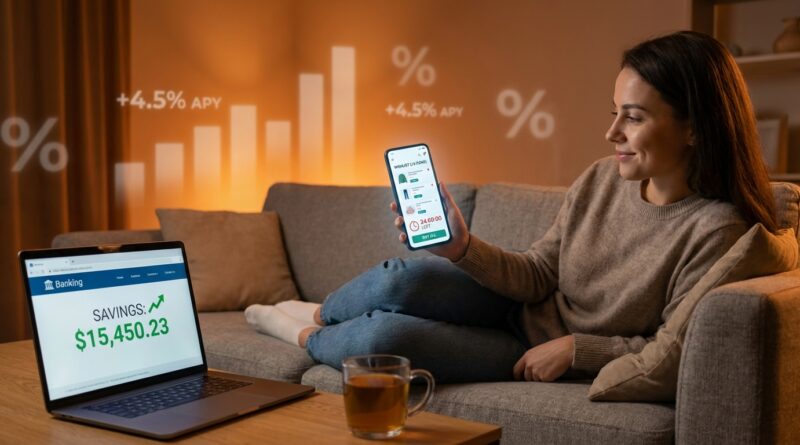
The 24‑Hour ‘Wishlist Cooldown’: One Tiny Delay That Turns Impulse Buys Into High‑Yield Savings
You are probably not blowing your budget on luxury vacations or giant shopping sprees. That is what makes this so frustrating. You do the responsible stuff, skip the obvious splurges, maybe even move money into a high-yield account, and still your balance crawls along. The problem is often the tiny purchases that slip through without much thought. A gadget on sale. A skin care item you saw on TikTok. A backup charger you did not really need. Each one feels harmless. Together, they quietly eat the money that could have been compounding in savings. The fix does not have to be extreme. A 24-hour Wishlist Cooldown gives you a pause button between wanting and buying. You still get to keep the item in play. You just stop letting urgency, ads, and one-click checkout make the decision for you. That small delay can turn impulse spending into real savings surprisingly fast.
⚡ In a Hurry? Key Takeaways
- The 24 hour rule savings habit for high yield savings means putting non-essential items on a wishlist and waiting a full day before buying.
- Make it easy by using a notes app, store wishlist, or cart screenshot, then move the skipped amount into savings.
- This is not about banning fun purchases. It is about blocking ad-driven pressure and giving your savings more chances to grow.
Why small impulse buys do so much damage
Most people imagine overspending as one dramatic mistake. In real life, it is usually a drip. Ten dollars here. Thirty dollars there. A flash sale that expires tonight. A free shipping minimum that somehow gets you to spend more, not less.
The reason these purchases are so sneaky is simple. They do not feel important. You barely remember them a week later. But your savings account remembers every single one.
If you are trying to build up a high-yield savings account, the goal is not only to save bigger chunks. It is also to stop money from leaking out before it gets there. That is where a delay helps more than most people expect.
What a 24-hour Wishlist Cooldown actually is
The rule is straightforward. If something is not a true need today, do not buy it right away. Put it on a wishlist instead. Then wait 24 hours.
That is it.
During that day, one of three things usually happens:
- You forget about the item completely.
- You realize you want it, but not enough to pay for it.
- You still want it, and you buy it without guilt because it was a real choice, not a reflex.
This works because the cooldown creates space between marketing and money. Stores are set up to erase that space. Personalized ads follow you around. Saved payment methods remove friction. Countdown timers try to make you act before you think. A 24-hour wait puts some control back in your hands.
Why this works better than strict budgeting alone
Budgets are useful. But budgets assume you will calmly make rational choices all month long. That is not how online shopping works anymore.
You are dealing with constant prompts. Recommended products. Limited stock warnings. App notifications. Influencer links. Even if you are generally careful, that system is built to catch you when you are tired, bored, stressed, or just half-paying attention.
A cooldown is different from a budget because it works in the moment of temptation. It gives you a tiny speed bump exactly where you need one.
If this idea sounds familiar, it lines up closely with The 24‑Hour ‘Cool Off’ Rule: The Tiny Shopping Habit That Supercharges Your High‑Yield Savings, which makes the same point many savers learn the hard way. The issue is often not reckless spending. It is repeated low-stakes buying that never feels serious enough to stop.
How to start the habit without making it annoying
1. Create one place for your “not now” items
Pick one simple holding spot. It could be:
- A store wishlist
- A note on your phone
- A screenshot folder
- A browser bookmark folder called “24-hour wait”
The tool does not matter much. What matters is that adding an item feels almost as easy as buying it.
2. Use the rule only for non-essentials
Do not make life harder than it needs to be. Groceries, medicine, replacement school supplies, and true household basics do not need a 24-hour delay.
This habit is for the maybe items. The stuff that feels exciting in the moment but is not urgent.
3. Move the money if you skip the purchase
This is the part that turns self-control into visible progress. If you decide not to buy the item, move that amount into your high-yield savings account right away.
Skipped a $28 candle order. Transfer $28.
Talked yourself out of a $65 “deal.” Transfer $65.
Now the win is not abstract. You can see it.
4. Keep a short note on why you wanted it
Write a few words next to the item. “Stress buy.” “Wanted for trip.” “Saw ad three times.” “Actually need next month.”
After a few weeks, patterns start to show up. You may notice that late-night shopping is your weak spot, or that “limited-time sale” is your personal trap.
What happens after a few weeks
The first change is mental. You stop treating every urge like a decision that must be made right now.
The second change is financial. More purchases die on the wishlist than you think. Some will still make it through, and that is fine. This is not a no-fun system. It is a filter.
The third change is momentum. Once your high-yield savings starts growing from these redirected mini-transfers, the habit gets easier. People protect what they can finally see building.
A simple example
Let’s say you avoid just three impulse purchases a week, averaging $22 each. That is $66 a week, or about $264 a month.
Over a year, that is $3,168 moved into savings instead of disappearing into random orders. Put that into a high-yield account, and the interest starts adding a little extra on top. Not life-changing overnight. But very real.
That is the whole point. This is not magic. It is a tiny habit that keeps more of your money in the place where it can grow.
Common objections, answered
“What if the sale ends?”
Sometimes it will. Most of the time, another sale comes along. Retailers are very good at making normal pricing feel rare. If missing the deal makes you feel relieved rather than disappointed, you probably did not want the item much.
“What if I still want it tomorrow?”
Then buy it if it fits your budget. The cooldown is not there to make you feel bad. It is there to make sure you are choosing on purpose.
“This sounds too small to matter.”
Small is exactly why it works. Big financial overhauls are hard to keep up. A one-day pause is realistic. And realistic habits beat perfect plans every time.
Best places to use the 24-hour rule
This habit works especially well for:
- Amazon and big online retailers
- Beauty and skin care restocks that are not really restocks
- Tech accessories and “must-have” gadgets
- Clothing apps with endless coupons
- Social media purchases sparked by ads or creators
If a product found you instead of you searching for it, that is often your clue to wait.
At a Glance: Comparison
| Feature/Aspect | Details | Verdict |
|---|---|---|
| Ease of use | Requires only a wishlist, notes app, or saved cart and a 24-hour wait. | Very easy for most people to start today. |
| Impact on savings | Cuts down frequent small purchases and redirects that money into a high-yield savings account. | High long-term value, especially when used consistently. |
| Lifestyle fit | Does not ban spending. It simply slows down non-essential buys. | More realistic than strict no-spend rules for many savers. |
Conclusion
Right now, saving is not only about earning more interest. It is also about protecting your money from the constant pressure to spend it. Personalized ads, one-click checkout, and nonstop “buy now” messages make old-school budgeting feel a little outmatched. That is why the 24 hour rule savings habit for high yield savings works so well. It fits real online life. It does not tell you to stop wanting things. It just asks you to wait long enough to tell the difference between a passing urge and a purchase you truly value. Do that often enough, and dozens of almost-buys start turning into real cash in your high-yield account. Small decisions. Better timing. A savings balance that finally starts acting like it belongs to someone who works hard for their money.